German Level for Ausbildung in Germany: B1, B2 or Higher? | Malirosa Pvt Ltd
Share
German Language
10 min read
What German Language Level Do You Need for Ausbildung in Germany?
The German language requirement is the single biggest factor that determines whether a Sri Lankan candidate can pursue Ausbildung in Germany. Here is exactly what level you need, why it matters, and how long it takes to get there.
Every vocational school in Germany (the Berufsschule) runs its curriculum entirely in German. Theory exams, written assignments, classroom discussions: all German. A Sri Lankan candidate who arrives with A2 or weak B1 faces a serious risk of failing those school exams, which can terminate the training contract. This is not a technicality. It happens.
Every year, Sri Lankan candidates ask MALIROSA what level of German they actually need for Ausbildung. The answer depends on which sector you are targeting and which employer you are applying to, but B1 is the universal minimum, and B2 gives you a concrete advantage in applications, interviews, and your first year of training.
This guide explains the CEFR framework, which level applies to which sector, which certificates are accepted by employers and the German Embassy, and what a realistic study timeline looks like from Sri Lanka.
Understanding the CEFR Framework
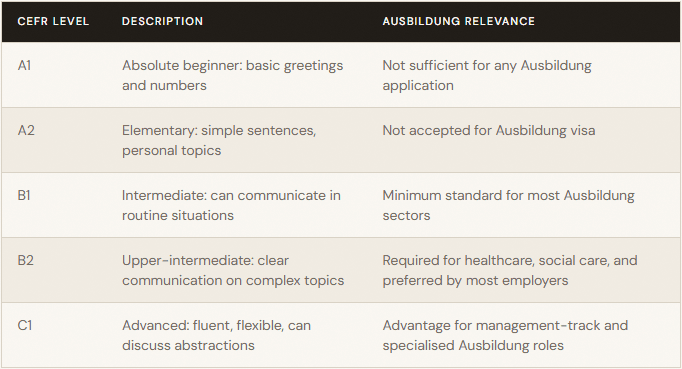
All European language qualifications are measured against the Common European Framework of Reference for Languages (CEFR), a six-level scale from A1 (absolute beginner) to C2 (native-equivalent mastery). Ausbildung sits within the B-band, which covers practical communication.
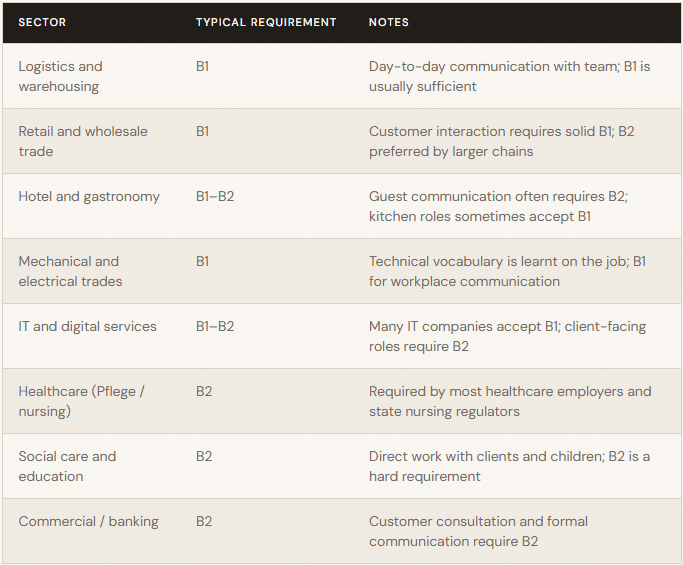
B1 vs B2: Which Level by Sector
The right German level depends heavily on which Ausbildung sector you are targeting. Below is a practical breakdown based on what German employers and training companies typically require from international candidates.
Which German Certificates Are Accepted for the Ausbildung Visa
The German Embassy in Colombo and German employers both require a certificate from a recognised examining institution. Informal assessments, in-house school reports, and online platform completions are not accepted.
The following certificates are recognised for the Ausbildung visa and by the overwhelming majority of German employers:
Goethe-Zertifikat B1 or B2, issued by the Goethe-Institut; accepted universally by embassies and employers (Source: goethe.de, 2026)
ÖSD Zertifikat B1 or B2, Austrian language certificate; fully equivalent and accepted by all German embassies (Source: German Embassy guidelines, 2024)
telc Deutsch B1 or B2, issued by telc GmbH; state-recognised and accepted by German immigration authorities (Source: telc.net, 2024)
DSH (Deutsche Sprachprüfung für den Hochschulzugang), for university pathways only; not typically used for Ausbildung
IELTS and TOEFL are English language certificates and are not accepted for the Ausbildung visa or as language proof for German employers. You need a German language certificate.
Taking the Goethe or ÖSD Exam from Sri Lanka
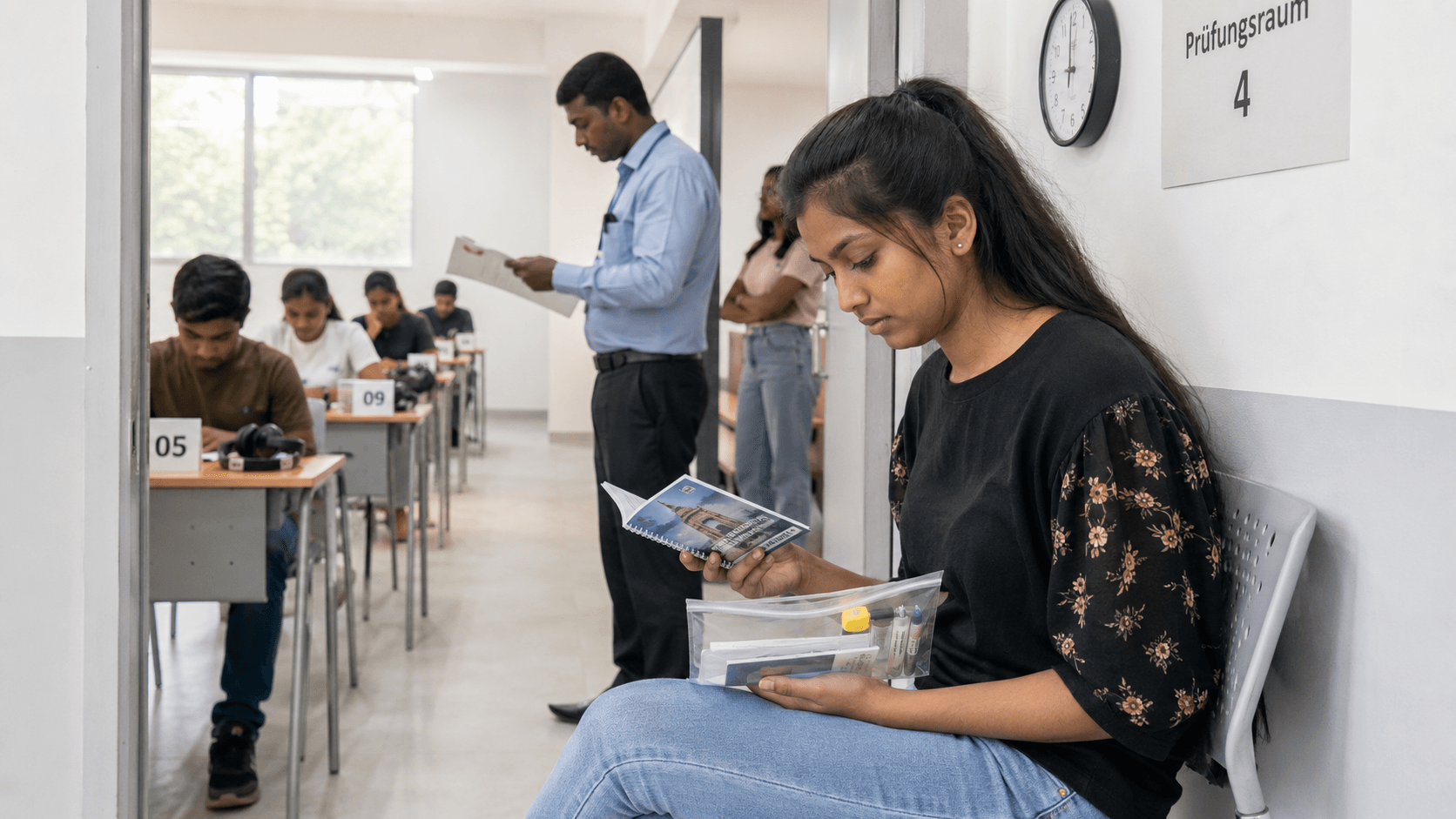
Sri Lankan candidates have access to recognised German language examinations from within Sri Lanka. The Goethe-Institut operates a full centre at 39 Gregory's Road, Colombo 7, where all Goethe exam levels from A1 to C2 are available. (Source: goethe.de/ins/lk, 2026)
Candidates can also sit ÖSD examinations through GRMAN.lk, the officially registered ÖSD test centre in Sri Lanka as of May 2026. MALIROSA tracks examination availability and can advise on current sitting dates and registration procedures as part of our preparation support.
Our German language courses prepare you specifically for the Goethe-Zertifikat and ÖSD examination formats from A1 through B2. Exam preparation modules are integrated from B1 level onward, covering the written, listening, reading, and speaking components of each examination.
Realistic Timeline: From Zero to B1 or B2
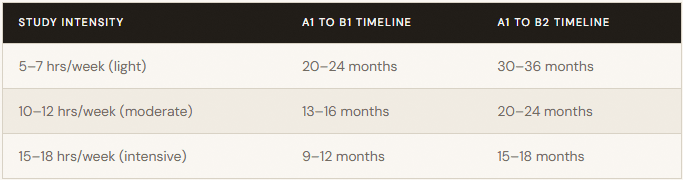
The most consistent question MALIROSA receives is: how long will it take? The honest answer depends on how many hours per week you study and how consistent you are. Below are realistic timelines based on structured tuition with a qualified teacher.
These timelines assume structured tuition with feedback on speaking and writing, not passive consumption of YouTube videos or app-based learning alone. Candidates who combine MALIROSA tuition with daily independent practice at the higher end of each range consistently reach their target level faster.
The MALIROSA B1-First Strategy
For most Sri Lankan candidates targeting Ausbildung, we recommend a B1-first strategy: reach B1 and obtain the certificate, then begin the employer application process while continuing language study toward B2.
This approach works because: B1 opens the door to the majority of Ausbildung sectors. You can apply to employers and begin interview processes at B1 level. By the time a contract is signed and the visa appointment is secured (typically 6–12 months later), your German will be at B2 or above. Starting the employer search only after reaching B2 adds unnecessary time.
Ausbildung preparation at MALIROSA coordinates your language study and employer application process as a single integrated pathway, so neither track sits idle waiting for the other.
What German Employers Actually Look For Beyond the Certificate
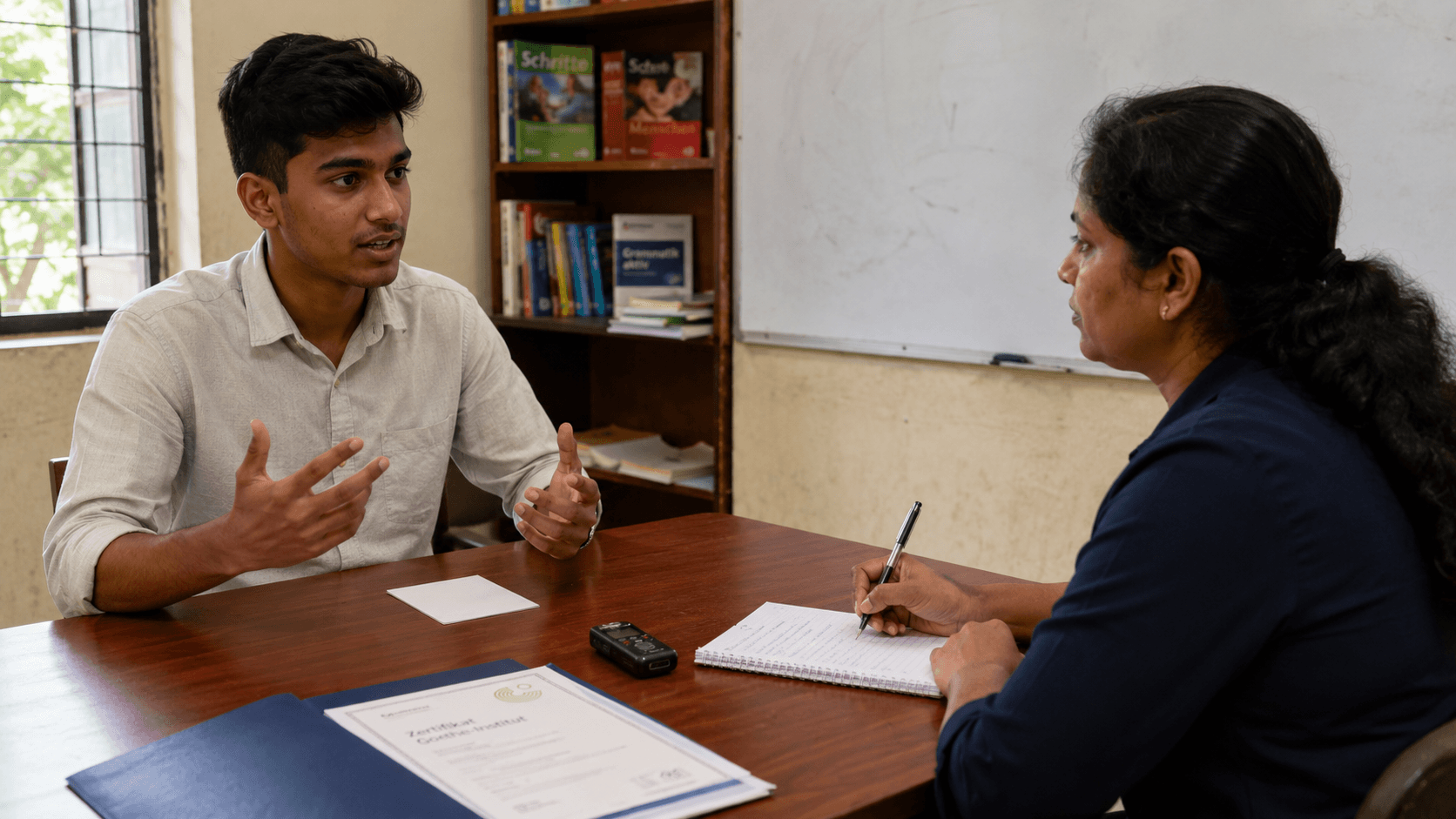
A B1 certificate proves you passed an exam. German employers also assess how you communicate in interviews. We consistently observe that candidates who prepare for German-language interviews, practising job-specific vocabulary and common workplace scenarios, secure Ausbildung contracts faster than candidates who rely only on their certificate.
In our experience, the candidates who perform best in employer interviews are those who combine a recognised certificate with real speaking practice in job-relevant contexts. MALIROSA interview preparation includes simulated German-language interviews with sector-specific vocabulary for healthcare, logistics, hospitality, and trades.
Continue Your Journey
Structured A1–B2 courses built around real visa and career goals.
Robert Saiger is a co-founder of MALIROSA with a background in Industrial Engineering & Management and Certified Consultant & Coach. Based in Konstanz, Germany, he brings direct expertise in Germany visa pathways, employer expectations, and the Sri Lankan qualification system.
Is B1 German enough to get an Ausbildung in Germany?
B1 is the standard minimum for most Ausbildung sectors including logistics, trade, hospitality, and technical trades. For healthcare, social care, and most banking or commercial roles, B2 is required. B1 is sufficient to begin the application process for many employer types, but investing in B2 significantly expands your options.
Can I do the Goethe exam from Sri Lanka?
Yes. Goethe-Institut examinations and ÖSD examinations are available through authorised partner centres in Sri Lanka. Availability and sitting dates change periodically. MALIROSA can provide current information on examination availability as part of our preparation support.
How long does it take to learn German from scratch?
With structured tuition of 10–15 hours per week, most candidates can progress from absolute beginner (A1) to B1 in approximately 12–16 months. B2 typically takes 18–24 months from zero. Consistency and speaking practice are the biggest factors determining speed.
Do I need German for the Ausbildung visa even if my employer does not require it?
Yes. The German Ausbildung visa process requires evidence of German language ability regardless of your employer's internal assessment. The German Embassy in Colombo requires a recognised language certificate. An employer letter confirming language ability does not substitute for a Goethe, ÖSD, or telc certificate.
What happens if my German is not good enough at the start of Ausbildung?
If your language level is insufficient for the vocational school component of your Ausbildung, you risk failing the Berufsschule examinations, which can terminate the training contract. This is why MALIROSA recommends that candidates have functional B1 (not just a certificate, but actual communication ability) before arriving in Germany.
How to Pass the German B2 Exam from Sri Lanka: Goethe B2 vs OSD B2 Compared
B2 is the gateway to university admission in Germany, most skilled worker visas, and healthcare and IT Ausbildung contracts. If you are preparing from Sri Lanka, this guide covers exactly what B2 requires, how the Goethe B2 and OSD B2 compare in Sri Lanka, exam fees, registration, and a realistic preparation timeline from B1 to pass.
What German Level Do You Actually Need for Ausbildung, Work Visas, and Study in Germany?
Most people asking 'do I need German to go to Germany?' are really asking 'how much German do I need?' The answer depends entirely on your visa category. Here is the definitive breakdown.
7 min read
German Language
Goethe Exam Sri Lanka 2026: Dates, Fees and How to Register
The Goethe-Zertifikat is written into Germany's immigration law by name for family reunion visas. It is accepted for every other visa category too. This guide covers the 2026 fees in LKR, how to register at Goethe-Institut Colombo, what the exam actually tests, and the honest preparation timeline for A1 to B2.
9 min read
Our Story
Two Worlds, One Purpose: The Story Behind MALIROSA
MALIROSA grew from a decade of living the exact journey that our candidates are about to begin: between Sri Lanka and Germany, between two cultures, two languages, and two very different sets of expectations.
5 min read
Visa & Pathways
Family Reunion Visa Germany: Who Can Apply, What Is Required, and How Long It Takes
Germany granted over 100,000 family reunion visas in 2023. Most applicants wait between three and twelve months for an appointment at the German Embassy. Understanding the requirements before you apply can cut that wait significantly.